






Seven Seven Pots and Pearls

Seven Seven Pots And Pearls In Demo Mode

Test the slot in demo mode, get to know features, stakes and limits - in Switzerland only for 18+.

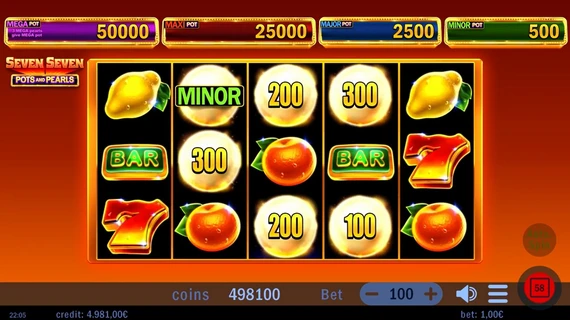
Seven Seven Pots and Pearls demo
demo image 1
Seven Seven Pots and Pearls

Seven Seven Pots And Pearls Demo: Quick Setup

Imagine you have ten minutes on the train or during a break and just want to see if you like the game. That's exactly when the free test run is ideal: no stress with deposits, no pressure to “get something out of it now”. Many, however, start immediately and only later realize that they didn't keep an eye on either the pace or the most important menus.

Start consciously. First, open the game info, find the stake control, and check if there are settings that help you stop (reminders, time windows, breaks). Then set a small test task: For example, 30-50 spins with a fixed stake, without adjusting the speed. This way, you get a real feel for rhythm and presentation, instead of just playing “somehow”.

For Switzerland, as everywhere: 18+ only and play responsibly. Even when it comes to virtual credits, practice the exact habits you'll need later. Those who automatically click through in demo mode usually do the same with real money - just more expensively.

Seven Seven Pots and Pearls

Seven Seven Pots And Pearls Demo Play: Realistic Testing

Imagine you test quietly on a laptop, but later play on your phone between messages and appointments. Then you wonder why everything feels “much faster”. A realistic test therefore means: the same environment as later, the same time of day, a similar focus. Only then will you learn how you actually react when things get hectic.

Plan the test like a mini-session. Set a timer (for example, 15-20 minutes), play in a block, take a break, decide again. The goal is not to “see a lot,” but to check if you truly stick to the stop. If the timer rings and you immediately think “just a little longer,” you've learned something important - not about the game, but about your impulse.

Also use demo mode to check readability on your device. On a smartphone, a small stake button is quickly too close to your thumb, and an accidental click happens more easily than one admits. If you notice that the controls and pace push you to make quick decisions, consciously reduce the speed and stick to manual spins.

Seven Seven Pots and Pearls

How To Use Demo Mode Meaningfully

Imagine you want to know exactly after the test if the game suits your habits. Many leave demo mode with a vague feeling - “it was okay” - and later start with real money without a plan. Better is a clear process that gives you real answers in the end: What triggers me, when do I get restless, and where do I lose track of time?

Set Focus: What Do You Want To Learn Today?

Imagine you want to test everything at once: stakes, speed, bonus moments, mobile, and desktop. In the end, you've done many spins but understood nothing. Instead, choose only one focus per test: Today it's about pace, tomorrow about stake comfort, the day after tomorrow about the mobile interface.

If the focus is “Pace,” keep the stake constant and play 50 spins deliberately slowly. Observe: Do you click immediately or do you really watch? If the focus is “Stake Comfort,” test two levels in separate blocks, with a break in between. And if the focus is “Menus,” specifically look for history, settings, and help texts before you even start playing.

Write down one sentence after each block. Not poetically, but practically: “At stake X, I get nervous after 10 minutes” or “Autoplay draws me in too quickly.” This sentence will be worth more later than any single spin.

First 50 Spins: Pay Attention to Behavior

Imagine you're 20 spins in and think you know the game. That's exactly where it gets dangerous because the autopilot takes over. The first 50 spins are not for “results,” but for observation: What is your hand doing, what is your head doing?

First, pay attention to your fingers. Do you immediately tap again as soon as the reels stop, or do you perceive the result? Then to your eyes: do you look at the reels or just at the display? If you check the balance in every round, it's an indication that you should choose a lower stake later. And pay attention to your mood: Do you get restless when it stays quiet? This is a typical pattern that leads to quick stake changes.

A good test is also to consciously change nothing. If you can play 50 spins without adjusting your bet or speed, that's a sign that you can control the game calmly. If you want to “fix” something after five minutes, that's feedback - not about the game, but about how it fits your current mood.

Typical Beginner Mistakes In Test Mode

Imagine you hit a small exciting moment and say to yourself: “Now it’s going well, I’ll stick with it.” In test mode, this seems harmless, but it trains exactly the habit that later becomes expensive: highlights automatically extend the session. Practice the opposite: after a highlight, stop briefly, breathe, check the timer, and re-decide.

Another mistake is changing several things simultaneously. If you increase your bet and also speed up, you can no longer judge what is causing the stress. Always change only one variable per block. And if you notice that you are chatting or scrolling at the same time: Stop the block. Otherwise, the test is not realistic.

Quick Help When It Gets “Too Fast”

Imagine you notice after a few minutes: your finger is getting faster, your mind emptier. Then actively slow down. Switch to manual spins, take a mini-break between rounds, and reduce the block length. If the restlessness doesn't subside, end the test.

If the urge comes to “just briefly increase the bet,” postpone the decision until after the break. This exact postponement is a core skill for later. And if you don't understand something: open the info view instead of guessing. Guessing often leads to frustration, and frustration leads to impulsive decisions.

demo image 2
Seven Seven Pots and Pearls

From Test To Real Money: Plan Instead Of Gut Feeling

Imagine you switch from virtual credits to real money without changing anything in the process. Suddenly, every click feels heavier, and the same speed seems stressful. The transition works best when it's boring: same timer, same block logic, stable bet, clear breaks. What changes is only the meaning of the budget - not the structure.

In Switzerland, this transition should always be associated with responsibility: 18+, within applicable rules, and without deluding yourself. Real money is not a “better test phase,” but a different mode. If you already noticed during the test that you quickly slip into autopilot, that's a signal to keep the first real-money session extra short - not extra exciting.

Derive Bet From Time, Not From Hope

Imagine you plan 20 minutes but choose a bet that depletes the budget in five minutes. This leads to stress and thoughts of reloading. The calmer way is: choose a bet that allows you to last the planned time without pressure. A good bet is not “maximal,” but “sustainable.”

Use the block logic. A block with a fixed bet, a break, then a decision. If you change the bet, do so only after the break and only for a clearly defined block. This way, you avoid the typical escalation during a calm phase, which later seems like “it was just a little bit,” but adds up.

A useful indicator: If you catch yourself constantly calculating or checking your balance, the bet is too high or the session is too long. Then reduce - instead of accelerating.

Understand Speed As A Cost Factor

Imagine you increase the speed because you become impatient. This feels like you are “getting to the good part faster.” In reality, you are increasing the number of decisions per minute, and thus the likelihood of impulsive changes increases. Speed is a cost factor, even without changing the bet.

In real-money mode, play consciously slower than the interface allows. Manual spins, short breaks, clear stops. If you use autoplay, do so only in small series and always with interruptions. And if you notice that you start autoplay because you are annoyed: That is a stop sign.

Table: Clean Workflow For A Session

Imagine you want to check in 30 seconds if your session is plannable. Use this list as a pre-check before you start or continue.

Area

What You Briefly Define

Typical Pitfall

Calm Counter-Step

Time

Timer And Block Length

“Just A Little Longer”

Maximum One Extra Block

Budget

Fixed Amount For The Evening

Reloading From Impulse

One Deposit Per Session

Bet

Stable Per Block

Increasing During A Losing Streak

Change Only After A Break

Environment

Reduce Distractions

Playing On The Side

Stop Block If Chat Is Running

Exit

Clear End

Continue Spinning While Waiting

Log Out And Change Activity

Seven Seven Pots and Pearls

Top casinos for playing Seven Seven Pots and Pearls — current list

ALF Casino

ALF Casino

Mafia Casino

Mafia Casino

SG Casino

SG Casino

Retro Bet

Retro Bet

leovegas

LeoVegas

Seven Seven Pots and Pearls

Einzahlen, Auszahlen, Support: Ohne Nebenbei-Spielen

Stellen Sie sich vor, Sie haben eine gute Session und wollen sauber abschließen, aber genau dann hängt etwas: eine Bestätigung, ein Status, eine Frage. Viele machen dann den Fehler, “währenddessen” weiterzuspielen. Genau so verschwinden Gewinne und genau so werden Sessions länger, als sie sein sollen. Trennen Sie Geldschritte von Spielschritten.

In Switzerland gilt: nur 18+ und verantwortungsbewusst. Wählen Sie Zahlungswege, die Ihnen Übersicht geben, und bauen Sie bewusst Friktion ein, wenn Sie zu Impuls neigen. Der einfachste Hebel ist eine klare Regel: pro Session nur eine Einzahlung. So müssen Sie nicht mitten im Gefühl verhandeln.

Einzahlung Mit Friktion, Nicht Mit Reflex

Stellen Sie sich vor, Einzahlen dauert nur Sekunden, und genauso schnell können Sie “noch ein bisschen” nachlegen. Wenn das bei Ihnen häufig passiert, brauchen Sie nicht mehr Willenskraft, sondern bessere Leitplanken. Entscheiden Sie den Betrag vor dem Start und lassen Sie ihn danach in Ruhe.

Setzen Sie, wenn verfügbar, Einzahlungsgrenzen im Voraus - im ruhigen Moment, nicht nach einer zähen Phase. Und prüfen Sie nach der Einzahlung kurz den Verlauf, bevor Sie spielen. Zehn Sekunden Klarheit verhindern späteres Grübeln, ob alles stimmt.

Wenn Sie merken, dass Sie in einer Session unbedingt nachlegen wollen, ist das meist ein Signal, dass der Plan nicht passt. Dann ist Ende oft der ruhigere Schritt.

Auszahlung Als Ritual: Session Erst Stoppen

Stellen Sie sich vor, Sie stoßen eine Auszahlung an und drehen “nur noch ein paar Runden”, weil Sie im Modus bleiben. Das ist die klassische Rückgabe-Schleife. Machen Sie den Ablauf eindeutig: Session beenden, Auszahlung anstoßen, ausloggen, Aktivität wechseln.

Senden Sie nicht mehrere Anfragen parallel. Das wirkt selten schneller, macht aber unruhig. Wenn etwas hängt, notieren Sie Zeitpunkt und Statusmeldung und kontaktieren Sie Support einmal, klar und sachlich. Und bleiben Sie beim wichtigsten Satz: Wenn Auszahlung, dann kein Weiterspielen.

Support So Schreiben, Dass Es Hilft

Stellen Sie sich vor, Sie schreiben “geht nicht” und bekommen eine Standardantwort. Schicken Sie stattdessen eine kurze, klare Nachricht: Was haben Sie gemacht, was haben Sie erwartet, was sehen Sie jetzt - plus Zeitpunkt und Statusmeldung. Dann kann Support arbeiten, ohne fünf Rückfragen zu stellen.

Vermeiden Sie widersprüchliche Nachträge. Das verzögert oft mehr, als es beschleunigt. Und wenn Ärger hochkommt: Pause. Ärger ist ein Motor für impulsive Entscheidungen. Erst Problem klären, dann entscheiden, ob Sie überhaupt noch spielen möchten.
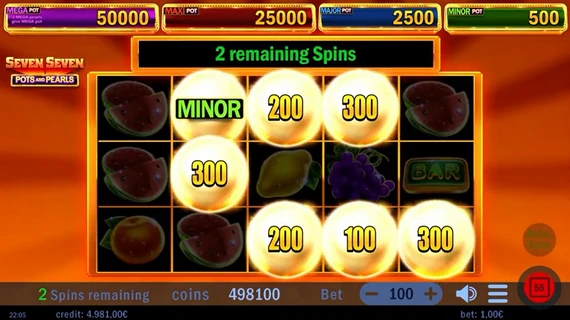
demo image 3

Verantwortungsvolles Spielen In Switzerland (18+)

Stellen Sie sich vor, Sie starten nicht aus Lust, sondern aus Gewohnheit. Genau dann kippt Unterhaltung in Automatismus. Verantwortungsvolles Spielen bedeutet: bewusst starten, bewusst stoppen, Tools nutzen, bevor es schwierig wird. Und es bedeutet: nur 18+.

2026 verstärkt mobile Bequemlichkeit alles. Login, Einzahlung, Drehung - schnell, glatt, ohne Reibung. Deshalb brauchen viele mehr Struktur als früher: Timer, Budget, Blocklogik, Pausen und klare Ausstiege. Diese Leitplanken sind keine Spaßbremsen. Sie sind Ihr System, damit Sie nicht in Autopilot hängen bleiben.

Achten Sie auf Motivation. Spielen Sie, weil es Spaß macht - oder weil Sie etwas ausgleichen wollen? Wenn es ums Ausgleichen geht, ist Pause fast immer besser. Und wenn Sie merken, dass Sie Ihre eigenen Regeln “nur heute” aushebeln wollen, nehmen Sie das ernst. Ein Time-Out oder eine längere Auszeit kann die klügere Entscheidung sein als eine weitere Session.

Naechster Schritt: Testplan Fuer Morgen

Stellen Sie sich vor, Sie wollen morgen einen kurzen, sauberen Test machen, ohne sich zu verlieren. Timer setzen, 30-50 Drehungen mit stabilem Einsatz, Pause, ein Satz Notiz, fertig. Danach ausloggen und Gerät weg. So bleibt das Spiel ein Werkzeug für Unterhaltung - nicht ein Loop, der den Abend auffrisst.

Wenn Sie später Echtgeld spielen, übernehmen Sie denselben Ablauf. Der beste Übergang ist der, der sich langweilig anfühlt: gleiche Struktur, weniger Emotion, klare Stopps. Und wenn Sie merken, dass Sie den Stop nicht einhalten können, ist das die wichtigste Information. Dann ist Pause die richtige Entscheidung.

FAQ

Wie teste ich den slot, ohne mich zu verlieren?

Setzen Sie einen Timer und spielen Sie in kurzen Blöcken mit Pause dazwischen. Starten Sie mit manuellen Drehungen, damit Sie nicht sofort im Autopilot sind. Wenn der Timer klingelt, stoppen Sie wirklich und entscheiden neu, statt automatisch weiterzumachen (18+).

Worauf sollte ich in den ersten runden achten?

Beobachten Sie Ihr Verhalten: Tippen Sie automatisch weiter, prüfen Sie ständig den Stand, steigt Ungeduld in stillen Phasen? Schauen Sie außerdem, ob Sie Menüs und Spielinfo schnell finden. Diese Punkte sagen mehr über einen sicheren Start aus als einzelne Ergebnisse.

Wie wähle ich einen ruhigen einsatz für später?

Wählen Sie so, dass Sie einen ganzen Block spielen können, ohne an Einsatz oder Tempo zu drehen. Wenn Sie nach jedem Spin den Stand kontrollieren oder höher gehen wollen, ist es zu hoch. Ändern Sie Einsätze nur nach einer Pause, nicht mitten in einer Durststrecke.

Was ist der beste weg von test zu echtem geld?

Übernehmen Sie exakt dieselbe Struktur: Timer, feste Blocklänge, stabiler Einsatz, klare Pause. Entscheiden Sie das Budget vor dem Start und halten Sie die Regel “kein Nachladen in derselben Session”. Wenn Sie Jagd-Gedanken merken, beenden Sie die Session und machen Sie eine längere Pause.

Wie verhindere ich “währenddessen” weiterzuspielen?

Trennen Sie Auszahlung und Spielen strikt: Session stoppen, Auszahlung anstoßen, ausloggen, Aktivität wechseln. Warten Sie nicht im Spielmodus, weil genau dort Impulse entstehen. Wenn etwas hängt, notieren Sie Zeitpunkt und Status und kontaktieren Sie Support einmal, klar und kurz.

When is a break truly useful?

As soon as you start out of habit, ignore your own stops, or often think about reloading. A short break breaks the reflex and provides distance. If the pattern returns, a longer break is often the best self-protection to ensure playing remains voluntary (18+).

How do I write to support to get a faster response?

Briefly describe: what you did, what you expected, what you see - plus time and status message. Avoid many follow-ups with changing details. If anger arises, pause first, because anger almost always leads to impulsive decisions.

Play Now
🇬🇧 English